
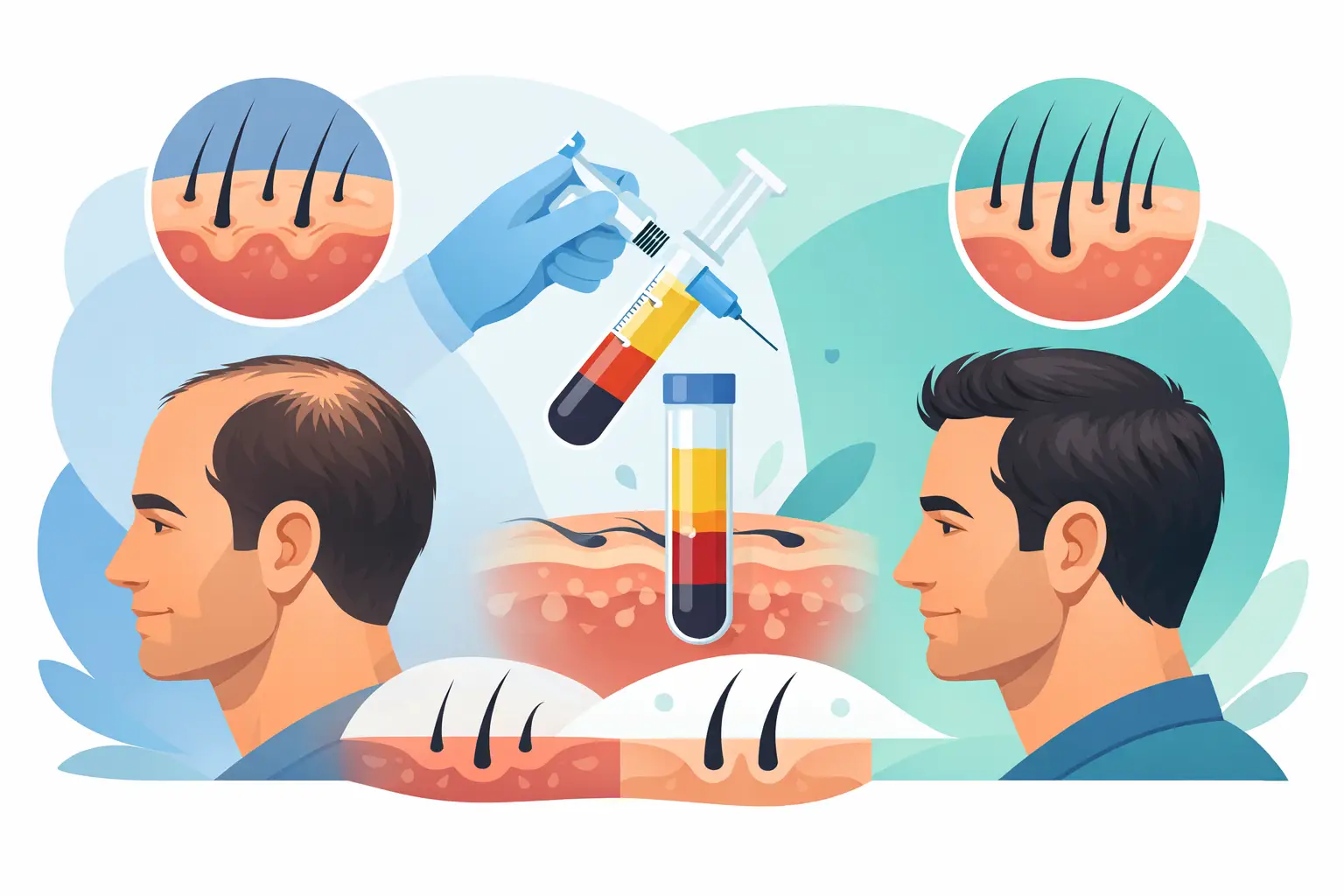
A convincing PRP hair loss before after result is not about an overnight transformation. It is about seeing healthier-looking hair, less visible thinning, and a stronger sense of confidence when you look in the mirror, style your hair, or step into bright light. For many people concerned about early hair loss, PRP can be a practical, non-surgical way to support the hair they still have.
The key is having realistic expectations from the beginning. PRP treatment can help improve hair quality and density for suitable candidates, but results vary with the cause of hair loss, the stage of thinning, your overall health, and how consistently you follow your treatment plan.
What PRP Hair Loss Before After Results Can Show
PRP stands for platelet-rich plasma. The treatment uses a small sample of your own blood, which is processed to concentrate platelets and growth factors. This platelet-rich plasma is then placed into targeted areas of the scalp to support hair follicles.
Before treatment, clients commonly notice a widening part, a more visible scalp at the crown, thinning through the hairline, or reduced thickness when their hair is wet. Some feel they are constantly changing their hairstyle, avoiding photographs, or relying on hats to feel more comfortable. These concerns can affect men and women alike, especially when hair loss seems to progress faster than expected.
After a successful course of PRP, changes may include reduced shedding, improved hair texture, thicker-looking individual strands, and better coverage in areas of early thinning. The result is often subtle at first. You may not suddenly have a completely new hairline, but your existing hair can look stronger, healthier, and more substantial over time.
This is why good before-and-after photographs matter. Images should be taken with consistent lighting, hair length, angle, and styling. A photo taken under harsh overhead lighting can make the scalp appear more visible, while a different angle or fuller hairstyle can make a result look more dramatic than it is. An honest assessment focuses on real progress, not flattering photography.
When Will You See Changes?
Hair growth moves slowly, so PRP is not a quick-fix treatment. Some clients notice reduced shedding or improved hair feel within the first several weeks. Visible improvements in thickness and coverage are more commonly assessed after three to six months.
A clinician will usually recommend an initial series of sessions, followed by maintenance appointments based on your response and goals. The exact schedule should be personalized. Someone with mild, recent thinning may need a different plan from someone with more advanced pattern hair loss or ongoing shedding linked to stress, hormones, medication, or a nutritional issue.
Patience is part of the process. Hair cycles through growing, resting, and shedding phases, and PRP is designed to support follicles gradually. Taking progress photographs at regular intervals can be more useful than checking your hairline every morning.
Why early treatment can make a difference
PRP generally has more potential when hair follicles are still active. If an area has been completely bald for a long time, there may be too few functioning follicles for PRP alone to create meaningful regrowth. In that situation, a hair transplant consultation may be a more appropriate route for restoring coverage.
For early-stage thinning, however, PRP can be an appealing option. It may help you preserve and improve your natural hair without surgery, without a long recovery period, and without changing your daily routine for an extended time.
What Happens During a PRP Hair Treatment?
A PRP appointment is straightforward and typically fits around a busy schedule. A small amount of blood is drawn, much like a routine blood test. It is then processed to separate the platelet-rich plasma. The clinician applies the PRP to the areas of concern using carefully placed scalp injections.
You may feel brief pinching or pressure during treatment, particularly around the hairline or crown. Sensitivity varies from person to person, but the procedure is generally well tolerated. Mild scalp tenderness, redness, swelling, or a temporary headache can occur afterward. Your clinician will explain what is normal, what aftercare to follow, and when to contact the clinic if you have concerns.
Most people return to normal activities quickly. You may be asked to avoid strenuous exercise, alcohol, certain anti-inflammatory medications, hair coloring, or washing your hair for a short period after the session. Follow the advice given for your individual treatment, rather than relying on generic social media tips.
Who Is a Good Candidate for PRP?
PRP may suit adults experiencing early to moderate thinning, pattern hair loss, or a general reduction in hair density. It can be considered by men who are concerned about a receding hairline or thinning crown, as well as women noticing a wider part or loss of volume through the top of the scalp.
The best candidates tend to have active follicles and realistic goals. PRP is not a guaranteed cure for every type of hair loss, and it should not replace medical assessment when shedding is sudden, patchy, painful, or accompanied by scalp changes. Those symptoms can point to an underlying condition that needs proper diagnosis first.
A consultation should look beyond the visible hair loss. Your medical history, family history, medications, lifestyle, and pattern of thinning all help determine whether PRP is suitable. In some cases, the strongest plan may combine PRP with other clinician-recommended hair restoration options. In others, PRP may not be the right first step.
How to Get the Best From Your Before-and-After Journey
Treatment works best when it is approached as a planned investment in your appearance, rather than a one-off appointment. Attend sessions as advised, keep your follow-up appointments, and give the process enough time to show its effect.
It also helps to protect the hair you have. Avoid aggressive bleaching, tight styles that pull on the roots, excessive heat, and harsh scalp habits. Eat a balanced diet, manage stress where possible, and speak with your clinician if you suspect your shedding is connected to a health change. These steps cannot reverse genetic hair loss on their own, but they can support a healthier environment for your hair.
Be cautious of clinics that promise a guaranteed full head of hair or use dramatic before-and-after images without explaining the timeline. A professional provider should be clear about what PRP can and cannot do. You deserve a treatment plan built around your hair pattern, not a sales promise built around someone else’s result.
PRP or Hair Transplant: Which Is Right for You?
PRP and hair transplant surgery are not competing choices in every case. They address different needs. PRP is a non-surgical treatment intended to support existing follicles and improve the appearance of thinning hair. A transplant redistributes permanent donor hair to areas where hair has been lost.
If you still have fine, miniaturized hairs in a thinning area, PRP may be worth considering. If you have a clearly established bald area or want to rebuild a significantly receded hairline, a transplant consultation may offer a more defined restoration strategy. Some clients use PRP before or after transplant surgery as part of a wider hair plan, depending on clinical advice.
At Essex Boys Medical Group, the right route starts with a direct conversation about what you see now, what you want to change, and what result is realistic for your hair. The goal is not to sell a procedure you do not need. It is to help you choose a treatment that makes you feel more confident in your appearance.
Your hair does not need to look perfect to make a difference to how you feel. If thinning is making you hesitate in photos, avoid certain styles, or feel less like yourself, a personal consultation can give you clear answers and a realistic next step.
0 Comments