
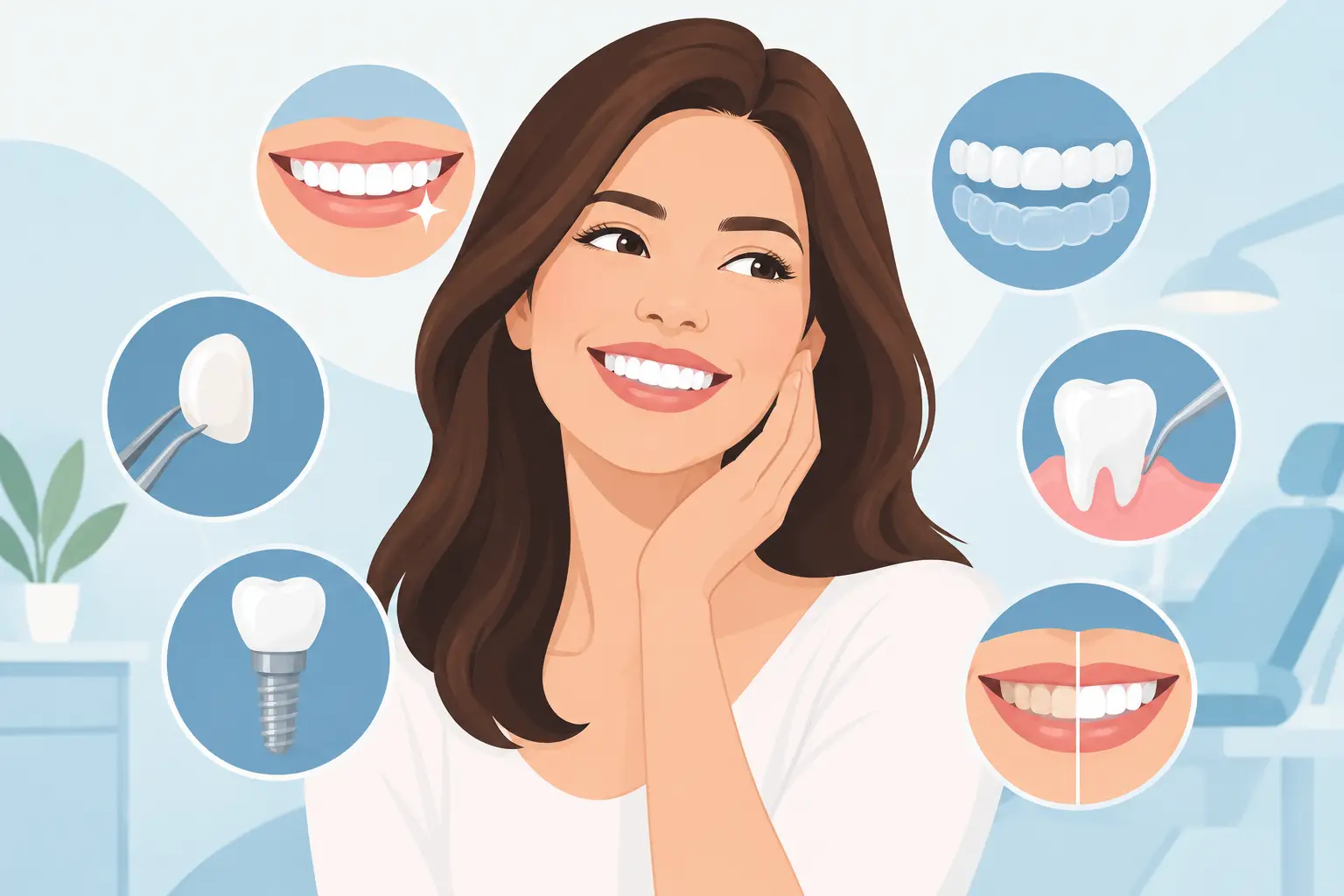
A smile makeover is not about chasing a generic “perfect” smile. It is about correcting the details that make you hide your teeth in photos, cover your mouth when laughing, or feel less confident in meetings and social situations. The best smile makeover treatment options depend on what you want to change: color, shape, spacing, alignment, missing teeth, or a combination of concerns.
For some people, professional whitening is enough to create a fresher, more attractive appearance. For others, veneers or dental bonding deliver the dramatic, camera-ready transformation they have been looking for. The right choice starts with an honest assessment of your teeth, gums, bite, lifestyle, and desired result.
What Does a Smile Makeover Usually Treat?
A smile makeover can be subtle or comprehensive. You may want to brighten teeth that have become stained by coffee, red wine, smoking, or age. You may be concerned about chips, uneven edges, small gaps, worn teeth, or teeth that appear too short. In other cases, old fillings, crowns, missing teeth, or crooked teeth affect both appearance and confidence.
The goal is to create a smile that looks clean, balanced, and natural on your face. A good result should suit your features, skin tone, age, and personal style. Very white or very uniform teeth can look striking, but they are not right for everyone. Many patients want a brighter, healthier-looking smile that still feels like their own.
Best Smile Makeover Treatment Options Explained
Professional Teeth Whitening
Professional whitening is often the fastest place to start when your teeth are healthy but look dull or stained. It can lift surface and deeper discoloration more effectively than over-the-counter products, producing a noticeably brighter smile without changing the shape of the teeth.
Whitening works best for natural enamel. It will not change the color of crowns, veneers, fillings, or bonding, so these may need to be replaced or matched if they are visible when you smile. Some people experience temporary sensitivity, particularly if they already have sensitive teeth. A dental assessment helps determine whether whitening is suitable and how bright you can realistically expect your teeth to become.
Composite Bonding
Composite bonding uses tooth-colored resin to improve small cosmetic flaws. It can smooth chipped edges, close minor gaps, improve uneven shapes, and make teeth appear more symmetrical. It is a popular choice for patients who want a visible improvement while preserving as much natural tooth structure as possible.
The treatment can be an excellent option for localized changes, especially when just one or two teeth need attention. Composite is generally less expensive than veneers, but it can stain, chip, or wear over time and may require maintenance. If you grind your teeth, bite your nails, or regularly eat very hard foods, this should be discussed before treatment.
Porcelain or Zirconia Veneers
Veneers are thin, custom-made shells placed over the front surface of teeth to transform their color, shape, size, and overall appearance. They are one of the most effective solutions for patients who want to address several concerns at once, including permanent discoloration, uneven teeth, worn edges, gaps, and minor misalignment.
Zirconia veneers are known for their strength and natural-looking finish. They can be a strong choice for people seeking a polished, long-lasting smile makeover, particularly when teeth need more than whitening or small repairs. The final result is carefully planned to avoid an overly bulky or artificial appearance.
Veneers are not a casual decision. Depending on the case, some preparation of the natural tooth may be required, and they are a long-term commitment. They also need the same daily care as natural teeth: brushing, flossing, routine checkups, and attention to gum health. For the right candidate, though, veneers can create a major confidence boost with a highly refined finish.
Dental Crowns
Crowns are usually recommended when a tooth needs both cosmetic improvement and added strength. A severely worn, cracked, heavily filled, or weakened tooth may not be suitable for bonding or a thin veneer. A crown covers the entire visible tooth, restoring its shape, function, and appearance.
In a smile makeover, crowns can be designed to blend with surrounding teeth or form part of a full smile transformation. They are especially useful when old dental work is discolored or no longer matches the look you want. Your provider should always consider the health and strength of the tooth first, rather than choosing a cosmetic treatment alone.
Clear Aligners or Orthodontic Treatment
If your main concern is crowding, spacing, or teeth that sit out of position, orthodontic treatment may offer the most conservative route. Clear aligners can gradually move teeth into a better position, improving the smile without covering healthy enamel with restorative material.
This route requires patience. Results take longer than veneers or bonding, and aligners must be worn consistently to work effectively. However, for patients with healthy teeth who want to correct alignment at the source, it can be a worthwhile investment. Whitening, bonding, or veneers can sometimes be added afterward for final refinements.
Gum Contouring
Sometimes the teeth are not the real issue. A gummy smile, uneven gumline, or gums that cover too much of the tooth can make teeth look short or asymmetrical. Gum contouring reshapes the gumline to create a more balanced frame around the teeth.
This treatment is often combined with veneers, crowns, or bonding when a more precise cosmetic result is needed. Gum health must be assessed first. If there is active gum disease, bleeding, or inflammation, that should be treated before any elective smile makeover work begins.
Dental Implants and Tooth Replacement
A missing tooth can change more than your smile. It can affect chewing, speech, confidence, and the way neighboring teeth sit over time. Dental implants provide a stable foundation for a replacement tooth that is designed to look and function like a natural tooth.
For a complete smile makeover, replacing a missing tooth may be the essential first step before whitening, veneers, or other cosmetic improvements. The treatment timeline can be longer because healing and planning are involved, but the result can restore both confidence and daily comfort.
How to Choose the Right Smile Makeover
The most effective treatment plan is rarely based on one trend or one before-and-after photo. It should be based on your starting point and what matters most to you. If your teeth are straight and healthy but yellowed, whitening may give you the result you need. If you have multiple cosmetic concerns across the front teeth, veneers may offer a more complete transformation.
Budget, timeline, and maintenance also matter. Bonding can be a practical entry point for minor flaws, while veneers and crowns may offer greater durability and more dramatic changes. Aligners require time and commitment, but they may be preferable if you want to preserve natural tooth structure and correct alignment properly.
Be clear about what you want when you attend a consultation. Bring up the things you notice most: the tooth that looks dark in photographs, the gap that catches your eye, the chipped edge, or the way your teeth look when you speak. A detailed conversation makes it easier to build a treatment plan around your priorities rather than a one-size-fits-all idea of beauty.
Why Planning Matters Before Cosmetic Dentistry
Great smile makeovers look effortless because they are carefully planned. The shade, tooth proportions, bite, gumline, and facial balance all need consideration. Rushing into treatment without checking tooth health, existing restorations, or grinding habits can lead to disappointing results and unnecessary maintenance later.
At Essex Boys Medical Group, cosmetic dentistry is approached as a confidence-focused transformation with professional guidance at every stage. Whether you are considering whitening, bonding, or zirconia veneers, the aim is a smile that looks attractive, feels comfortable, and gives you a reason to smile proudly.
The right smile makeover does more than improve your teeth. It can change how you show up in photographs, conversations, dates, and everyday life. Start with a consultation, ask direct questions, and choose the treatment that makes you feel genuinely confident every time you smile.
0 Comments