
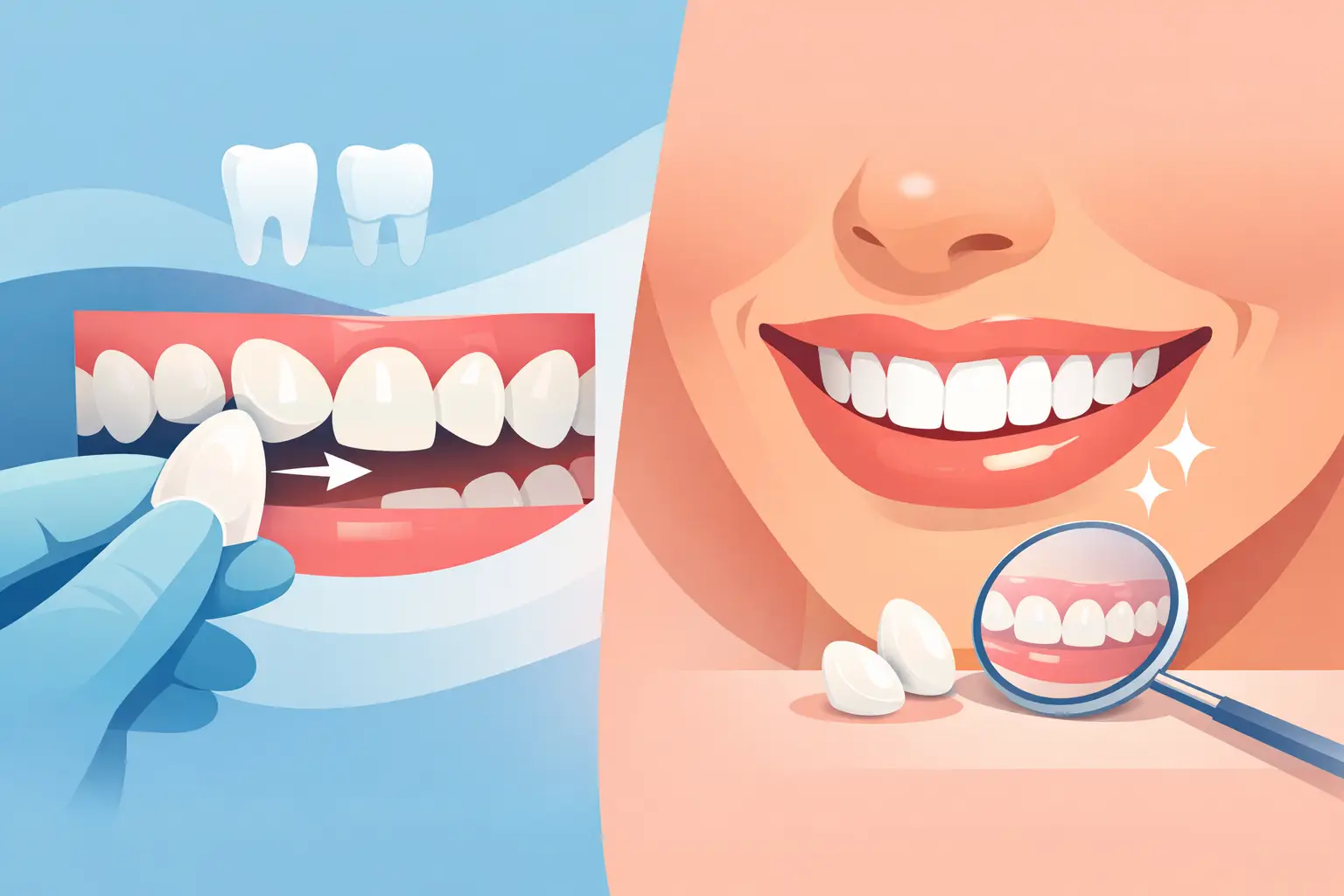
A slightly twisted front tooth can draw your eye every time you smile in a photo, speak in a meeting, or look in the mirror. If you want a faster cosmetic change than traditional braces, you may be asking: can veneers fix crooked teeth? In many cases, veneers can make mildly crooked, uneven, or rotated teeth look straighter and more balanced. But they do not physically move teeth into a new position.
Veneers are a cosmetic dentistry solution designed to transform the visible appearance of your smile. The right treatment depends on how crooked your teeth are, how your bite works, and whether your teeth and gums are healthy enough for cosmetic work.
Can Veneers Fix Crooked Teeth?
Veneers can conceal minor crookedness by changing the shape, width, color, and front-facing angle of individual teeth. A skilled cosmetic dentist can use custom-made veneers to create the appearance of a more even smile line, close small gaps, and make teeth that sit slightly behind or in front of others look more aligned.
This is often called instant orthodontics, although the name can be misleading. Orthodontic treatment moves your natural teeth over time. Veneers cover the front surfaces of teeth to improve what people see when you smile. The visual result can be dramatic, but the tooth roots and underlying position remain the same.
For someone with one mildly rotated incisor, uneven tooth edges, small gaps, or teeth that look narrow and crowded, veneers may offer the polished smile transformation they want without wearing braces or clear aligners for months. Treatment is usually completed much more quickly than orthodontics once your plan is approved.
When Veneers Are a Good Option for Crooked Teeth
Veneers tend to work best when the misalignment is mild and mainly cosmetic. You may be a suitable candidate if your teeth are healthy but look uneven, slightly crowded, chipped, discolored, or poorly shaped.
For example, veneers can help if a front tooth turns slightly inward, if two teeth are different lengths, or if small gaps make your smile appear less uniform. They can also be an appealing choice when you want to address several cosmetic concerns at the same time. Instead of correcting alignment first and then treating staining, chips, or worn edges separately, a veneer treatment plan can improve color and shape alongside the appearance of alignment.
Zirconia veneers can be considered for patients seeking a strong, natural-looking cosmetic restoration. The material and treatment approach should always be selected around your individual teeth, bite, and aesthetic goals – not simply because one option is popular.
A consultation is the place to discuss the smile you want to see. Your clinician can assess your teeth, take images or scans, and explain whether veneers can deliver a natural result without making the teeth look bulky or overworked.
When Orthodontics May Be the Better Choice
Veneers are not the right answer for significant crowding, major rotations, severe overbite or underbite concerns, or teeth that are positioned far out of line. In these cases, placing veneers over teeth in their current positions may require too much alteration of the natural tooth structure or create a result that does not function well.
Orthodontics, including braces or clear aligners, may be recommended when the priority is improving the actual position of your teeth and bite. This can be the more conservative route for a younger patient or anyone whose teeth are healthy but substantially misaligned.
Sometimes the strongest plan combines treatments. Orthodontic treatment can move teeth into a healthier position first, followed by one or more veneers to perfect the final shape, shade, or symmetry. This approach takes longer, but it can produce an outstanding result while preserving more natural enamel.
Your dentist should also check for teeth grinding, jaw discomfort, gum disease, decay, and old failing dental work. Cosmetic veneers should not be used to cover an underlying dental problem. Healthy foundations matter if you want your new smile to look great and last well.
What Happens During Veneer Treatment?
Your first appointment is about more than choosing a brighter shade. A proper cosmetic consultation considers your facial features, lip line, existing teeth, bite, and the level of change you are comfortable with. Some people want a subtle refinement that still looks unmistakably like them. Others want a more noticeable, camera-ready smile makeover.
If veneers are appropriate, the dentist prepares each selected tooth. This often involves removing a small amount of enamel so the veneer can sit naturally and avoid looking too thick. Because enamel is typically altered, veneer treatment is generally irreversible. That is an important trade-off to understand before moving forward.
Impressions or digital scans are then used to design your custom veneers. Temporary veneers may be fitted while the final restorations are being made. At the fitting appointment, the dentist checks the shape, shade, bite, and overall appearance before bonding the veneers securely into place.
The number of veneers varies. Treating a single tooth can work in certain situations, but many patients choose several upper front teeth to create a more consistent shade and smile line. Your clinician can advise on the number that makes sense for your goals rather than pushing a one-size-fits-all package.
The Benefits and Trade-Offs to Consider
The main appeal of veneers is visible change in a relatively short timeframe. They can create a smoother, brighter, straighter-looking smile without the daily commitment of removable aligners or the appearance of braces. For adults who feel self-conscious about mild crookedness and want to smile proudly sooner, that can be a compelling option.
However, veneers need care and realistic expectations. They are durable, but they are not indestructible. Biting hard objects, using teeth to open packaging, or grinding your teeth can damage them. If you clench or grind at night, a protective night guard may be recommended.
You should also understand that veneers do not stop teeth from moving naturally over the years. Gum recession, dental wear, changes in your bite, and damage can affect the appearance of a veneer smile over time. While high-quality veneers can last for many years with good care, they may eventually need repair or replacement.
Daily brushing, flossing, regular hygiene visits, and avoiding habits that place excessive force on your front teeth all help protect your investment. Veneers do not decay, but the natural tooth and gum tissue around them still need professional care.
Choosing the Right Path for Your Smile
The best choice is not always the fastest one. If your teeth are only mildly crooked and you also want to improve their color, shape, and symmetry, veneers may give you the confident, refined smile you have been looking for. If the alignment issue is more pronounced or your bite needs correction, orthodontic treatment may protect your long-term dental health more effectively.
At Essex Boys Medical Group, a cosmetic consultation can help turn a vague wish for straighter teeth into a clear, personal treatment plan. You can discuss the look you want, understand what is achievable, and receive straightforward guidance on whether veneers, orthodontics, or a combined approach suits your smile.
A great cosmetic result should look attractive from every angle while still feeling comfortable and natural when you speak, eat, and laugh. Start with an honest assessment, ask to see how your treatment could be planned, and choose the option that lets you feel confident every time you smile.
0 Comments