
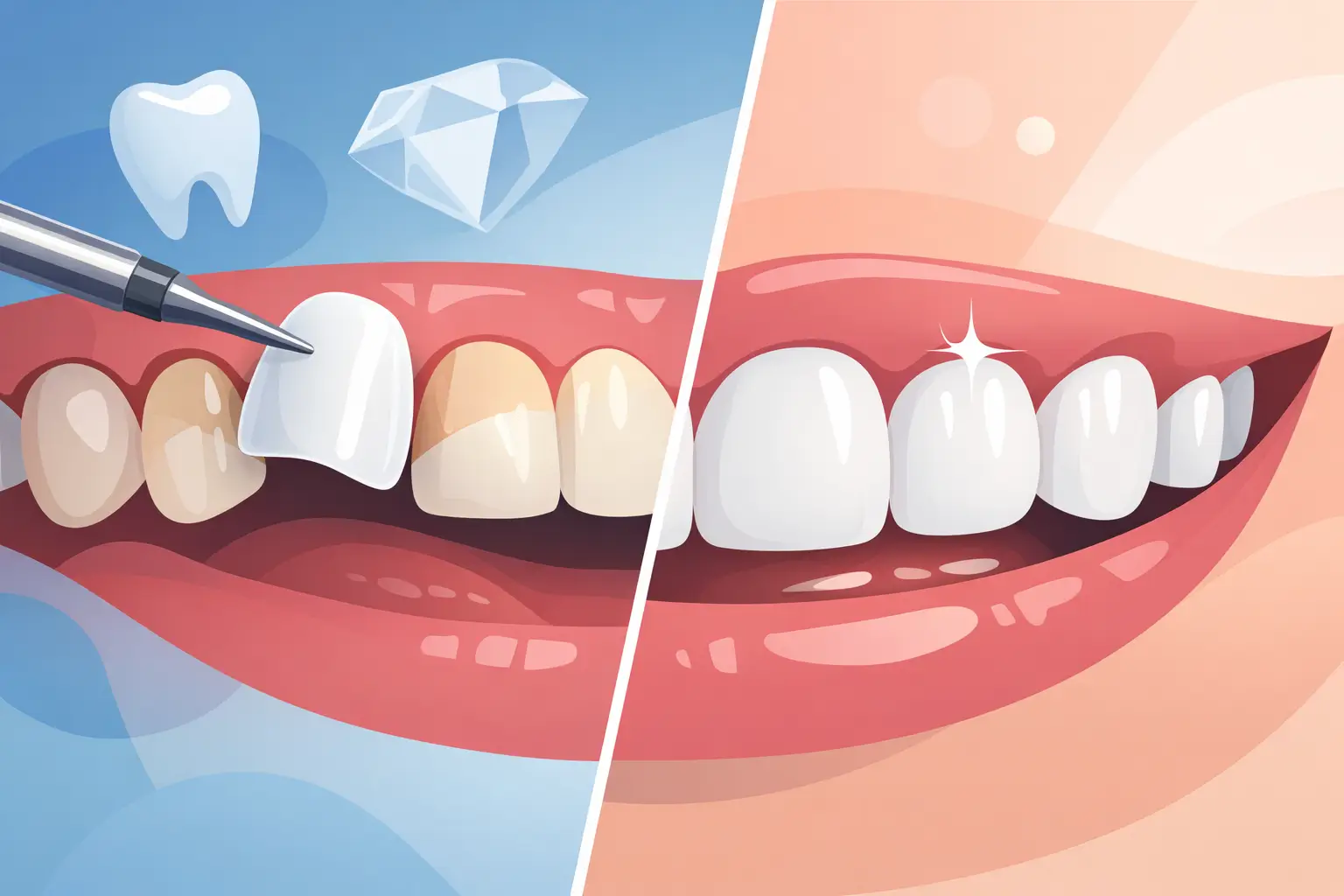
Zirconia veneers are one option used in cosmetic and restorative dentistry to alter the appearance of selected teeth. Whether they are appropriate depends on factors including dental health, bite, existing restorations, the amount of tooth preparation required and individual treatment goals.
This guide explains the potential benefits and limitations of zirconia veneers, how treatment is carried out and some of the factors to consider before deciding whether veneers are appropriate.
What Are Zirconia Veneers?
Zirconia veneers are thin, custom-made shells placed over the front surface of teeth to improve their color, shape, size, spacing, or overall symmetry. They are made from zirconium dioxide, a highly durable ceramic material commonly used in modern restorative dentistry.
Like other veneers, zirconia veneers are designed to look natural while concealing concerns such as stubborn discoloration, small chips, uneven edges, minor gaps, and worn-looking teeth. Each veneer is planned to complement your facial features, lip line, bite, and preferred level of brightness. The goal should not be a one-size-fits-all “perfect” smile. It should be a smile that looks attractive, balanced, and believable on you.
Zirconia is often chosen where strength matters most. It can be particularly useful for patients who put heavy pressure on their teeth, have a history of chipping dental work, or need cosmetic improvement in areas that take more force during chewing.
Are Zirconia Veneers Worth It? The Straight Answer
Zirconia veneers are worth it if you want a long-lasting cosmetic upgrade and are a suitable candidate for this type of material. They are not automatically the best choice for every front tooth or every smile goal, however.
The main advantage is resilience. Zirconia is exceptionally strong and resistant to fractures, making it a reassuring option for people who grind their teeth, clench their jaw, or worry about damaging more delicate cosmetic restorations. It also resists staining well, so your smile can remain bright despite coffee, tea, red wine, or strongly colored foods.
The trade-off is that zirconia can be more opaque than other high-end ceramics. That opacity is helpful when covering very dark underlying teeth, old restorations, or deep discoloration. Yet if your priority is an ultra-translucent, enamel-like finish on highly visible front teeth, another ceramic option may sometimes deliver a more subtle result. A skilled cosmetic dentist can assess this during your consultation and recommend the material that creates the best balance of strength and natural appearance.
Worth is personal. Some patients value durability above all else. Others want the most lifelike light reflection possible. The right answer comes from understanding what you want to change and what you expect your new smile to do for your confidence.
The Benefits That Make Zirconia Popular
A veneer treatment should feel like more than a quick cover-up. When it is carefully planned, it can create a noticeable improvement while still looking appropriate for your face and personality.
Zirconia veneers offer impressive strength. They are made to cope with everyday biting and chewing forces and may be a sensible option for patients who have previously broken crowns, veneers, or fillings. Although no dental restoration is indestructible, zirconia has a strong reputation for standing up well to daily wear.
They can also create a clean, consistent smile. If your teeth have uneven shapes, visible chips, minor gaps, or discoloration that has not responded well to whitening, veneers can bring the front teeth into better visual harmony. This can make a major difference in photos and face-to-face conversations.
Another benefit is color stability. Natural teeth can pick up stains over time, especially if you regularly consume dark drinks or smoke. Zirconia does not respond to whitening treatments in the way natural enamel does, but it is highly stain resistant once your final shade has been selected. This makes shade planning especially important before treatment begins.
Finally, veneers can be tailored. You may prefer a subtle refinement rather than a bright celebrity-style transformation. Your dentist should discuss tooth shape, shade, edge length, and the number of veneers required before any preparation takes place. A beautiful smile is not always the whitest one. It is the one that looks healthy, proportioned, and right for you.
The Considerations Before You Commit
Cosmetic dentistry delivers the best results when patients understand the commitment. Veneers are not a temporary beauty treatment that can simply be removed one day and forgotten. In many cases, a small amount of natural enamel needs to be shaped to make room for the veneer and achieve a natural profile. Once teeth have been prepared, they will generally need ongoing veneer or restorative coverage.
Zirconia veneers may also be less ideal for every cosmetic concern. If your teeth are healthy but only slightly uneven or lightly discolored, options such as professional whitening, composite bonding, orthodontics, or contouring may be more conservative. A responsible consultation should include these alternatives rather than pushing veneers as the answer to every issue.
Your bite matters too. Severe grinding, jaw clenching, or an unstable bite can place any cosmetic work under pressure. You may need a night guard to protect your new veneers, especially if you grind while sleeping. If gum disease, active decay, or inflammation is present, these problems should be treated first. Veneers look their best on a healthy foundation.
Cost is another real consideration. Zirconia veneers are a private cosmetic investment, and fees depend on the number of teeth treated, the complexity of the case, the condition of your existing teeth, and the level of planning involved. Choosing based on the lowest price alone can be risky. The quality of the assessment, tooth preparation, laboratory work, fit, bite adjustment, and aftercare all influence the final result.
Who Is a Good Candidate for Zirconia Veneers?
You may be a strong candidate if you have healthy teeth and gums but are unhappy with the visible appearance of your smile. Patients often consider zirconia veneers when they have heavily stained teeth, small cracks or chips, worn enamel, uneven tooth proportions, or cosmetic imperfections that make them self-conscious.
They can be especially appealing if durability is high on your list. If you have a strong bite, regularly chip teeth, or want a material known for its fracture resistance, zirconia may offer extra peace of mind.
You may need a different approach if you have untreated gum disease, extensive tooth decay, severe bite problems, or expectations that do not match what veneers can achieve. A veneer can improve the visible surface of a tooth, but it cannot replace good oral health or correct every functional problem. Honest assessment protects your result and your investment.
What the Treatment Process Usually Looks Like
Your treatment should start with a detailed smile consultation. This is where you can explain what bothers you about your teeth, whether you want a subtle or more dramatic change, and how you want to feel when you smile. The dentist should examine your teeth, gums, and bite, then discuss whether zirconia is the right material for your case.
Once a treatment plan is agreed, the teeth may be gently prepared and impressions or digital scans taken. Temporary veneers can be placed while your custom restorations are being created. At the final fitting, the veneers are checked for shape, shade, comfort, and bite before being securely bonded in place.
Do not rush this stage. Small adjustments can have a big effect on how natural your smile looks and how comfortable it feels. Your new teeth should not only photograph well. They should feel right when you speak, eat, and smile every day.
How Long Do Zirconia Veneers Last?
With good care, zirconia veneers can last for many years. Their lifespan depends on your bite, oral hygiene, diet, regular dental reviews, and whether you protect them from grinding. Brush twice daily with a non-abrasive toothpaste, clean between teeth every day, and keep up with professional hygiene appointments.
Avoid using your teeth as tools to open packaging, bite nails, or chew hard objects such as ice. These habits can damage natural teeth as well as cosmetic restorations. If you clench or grind, wearing a custom night guard can be one of the smartest ways to protect your smile.
A confident smile should still look like yours, only more polished. If you are considering zirconia veneers, start with a personal consultation where your goals, dental health, and treatment options can be discussed clearly. The best result is one that lets you smile freely and feel good every time you see yourself in the mirror.
0 Comments